
Basic Gardening
A garden worth coming home to.
A well-maintained garden changes the way a property feels. Neatly shaped hedges, clear garden beds and shrubs kept under control can bring structure to an outdoor space without changing its original character.
Gardens also have a way of getting ahead of us. What begins as a little extra growth can gradually obscure pathways, crowd neighbouring plants or leave once-defined garden beds looking untidy.

Looking after what's already growing.
Every garden has different maintenance needs.
WHEN HEDGES LOSE THEIR SHAPE
Hedges don't always grow evenly. Some sections may become thicker or taller than others, particularly where sunlight and growing conditions vary. Trimming can help restore a more consistent appearance, although heavily overgrown hedges may need gradual reduction rather than one aggressive cut.
KNOWING WHEN TO CUT BACK
Pruning isn't simply about making plants smaller. Cutting at the wrong time or removing too much growth can affect flowering, leave gaps or place unnecessary stress on a plant. The season, plant type and its existing condition should all be considered before deciding how much to remove.
WEEDS BENEATH ESTABLISHED PLANTING
Weeds can be particularly difficult to reach when they grow amongst established shrubs, groundcovers and densely planted garden beds. Removing them requires care to avoid disturbing the plants intended to remain. Where roots are extensive or access is limited, complete removal may not always be possible in a single visit.
BRINGING NEGLECTED GARDENS BACK
A garden that has been left unattended for several months can require a different approach from one receiving regular maintenance. Overgrown shrubs, accumulated debris and concealed garden edges may need to be addressed in stages. The initial visit may focus on restoring access and reducing excess growth before finer work can begin.
WORKING AROUND EXISTING PLANTS
Not every plant in a garden is meant to be trimmed or removed. Established planting, delicate flowers, irrigation lines and garden features can all influence how an area is maintained. Identifying anything that needs particular care before work begins helps avoid unnecessary disturbance.
WHAT HAPPENS TO GARDEN WASTE
Even modest pruning can produce a surprising volume of branches, leaves and cuttings. The amount depends on the density and condition of the garden. Available green-waste bins, collection and any additional disposal requirements should be discussed when arranging the service.
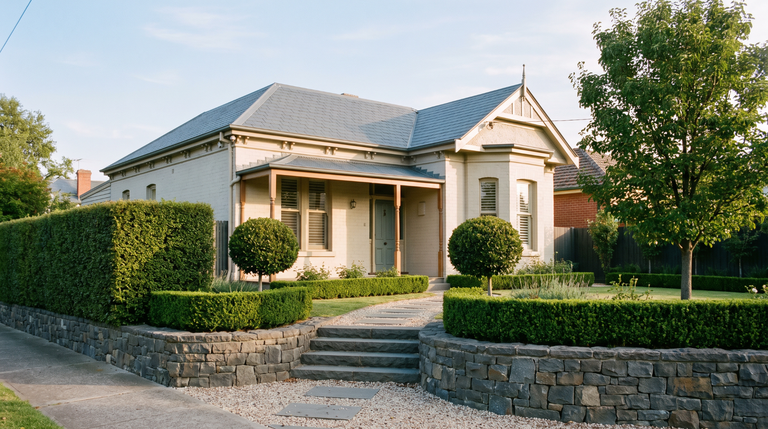
More than a neatly cut lawn.
A freshly mown lawn can make an immediate difference, but the surrounding garden often determines how complete the outdoor space feels.
Overgrown hedges, weeds and shrubs can detract from an otherwise well-maintained property. Combining Basic Gardening with Lawn Mowing allows attention to be given to both the open lawn areas and the planting that surrounds them.
Explore Lawn MowingUnderstanding the garden before we begin.
SEASONAL GROWTH
Some gardens change considerably between seasons. Rapid spring growth, summer heat and periods of heavy rainfall can all affect maintenance needs. A garden that requires only occasional attention during winter may benefit from more frequent visits when growth accelerates.
ACCESS & SAFETY
Narrow side passages, steep garden beds, uneven ground and limited access can affect the equipment used and the time required. Basic Gardening does not include tree work, large branch removal or specialist work at height. These tasks may require an appropriately qualified contractor.
PLANNING THE WORK
Where several areas need attention, it helps to establish priorities before the visit. One property may benefit most from hedge trimming, while another may need weeding and overgrowth reduced first. Agreeing on the areas to be addressed helps make the best use of the time available.