
Lawn mowing
The difference is in the upkeep.
A neatly maintained lawn brings a sense of order to an outdoor space. Whether it's a small residential garden or an expansive lawn surrounding a larger property, regular attention helps keep the grounds looking cared for and inviting.
But a lawn doesn't grow evenly throughout the year, and the condition it's in when mowing begins can make a considerable difference to the work involved. Understanding these variations helps establish what can realistically be achieved during a visit.

Getting the cut right.
The condition of the lawn helps determine how mowing is approached.
WHEN THE GRASS GETS AWAY
Long grass can conceal uneven ground, debris and obstacles that are difficult to see before mowing. Where growth is excessive, additional passes or a staged reduction may be needed to bring the lawn back to a manageable height.
SHORTER ISN'T ALWAYS BETTER
Cutting grass too low can place unnecessary stress on the lawn, particularly during hot or dry conditions. The appropriate mowing height depends on the grass type, its condition and the season. A very short finish may not be suitable for every lawn.
THE EDGES MAKE A DIFFERENCE
Grass growing against pathways, garden beds and paved areas can leave an otherwise tidy lawn looking unfinished. Edging can be included in the agreed work to create a neater transition between the lawn and surrounding surfaces.
WHAT'S BENEATH THE GRASS
Uneven ground, exposed roots, irrigation fittings and concealed objects can affect how an area is mown. Let us know about known hazards or sensitive areas beforehand so they can be identified and discussed.
NOT EVERY PATCH WILL MATCH
Thin areas, weeds, bare patches and differences in grass growth may become more noticeable after mowing. Cutting the lawn improves its overall presentation but does not correct underlying problems with the turf or soil.
WHAT HAPPENS TO THE CLIPPINGS
The volume of clippings depends on how much growth needs to be removed. Collection, use of available green-waste bins and any additional disposal requirements should be discussed when arranging the service, particularly for overgrown lawns.
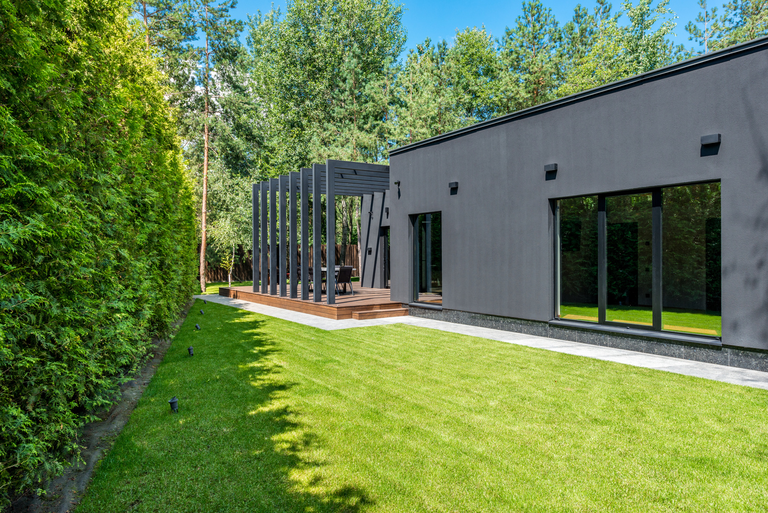
When the garden needs more than a mow.
A freshly cut lawn can bring an outdoor area back into focus, but it may also draw attention to overgrown garden beds, untidy hedges or shrubs that have lost their shape.
For a more complete garden refresh, lawn mowing can be combined with our Basic Gardening service. Weeding, pruning and hedging can help bring the surrounding landscape into line with the freshly maintained lawn.
Explore Basic GardeningWorking with the seasons.
WHEN GROWTH SPEEDS UP
Warmer weather and periods of rainfall can bring rapid growth. A mowing schedule that works during winter may leave too much time between visits in spring or summer. Frequency can be reviewed as conditions change.
WHEN THE GROUND IS TOO WET
Saturated soil can make mowing difficult and may lead to wheel marks, rutting or damage to the lawn. Where ground conditions are unsuitable, postponing the visit may produce a better result than proceeding.
BEFORE A LONGER BREAK
If the property will be unattended for an extended period, consider arranging mowing before departure or planning visits while you're away. This can help prevent excessive growth and a more involved first cut on your return.